

Hypertension, also known as high blood pressure, is one of the most widespread cardiovascular conditions worldwide. It is often called the «silent killer» because it typically presents no symptoms until it causes significant damage to the heart, blood vessels, and other organs. In this article, we will explore what hypertension is, why it is so dangerous, and how patients can manage their blood pressure effectively.
What is Hypertension?
Blood pressure refers to the force exerted by blood against the walls of the arteries. Hypertension occurs when this force remains elevated over time, putting stress on the arteries and heart. It is classified into two main types:
- Primary Hypertension: The most common form, developing gradually over time without a specific cause.
- Secondary Hypertension: Results from an underlying condition such as kidney disease, hormonal disorders, or certain medications.
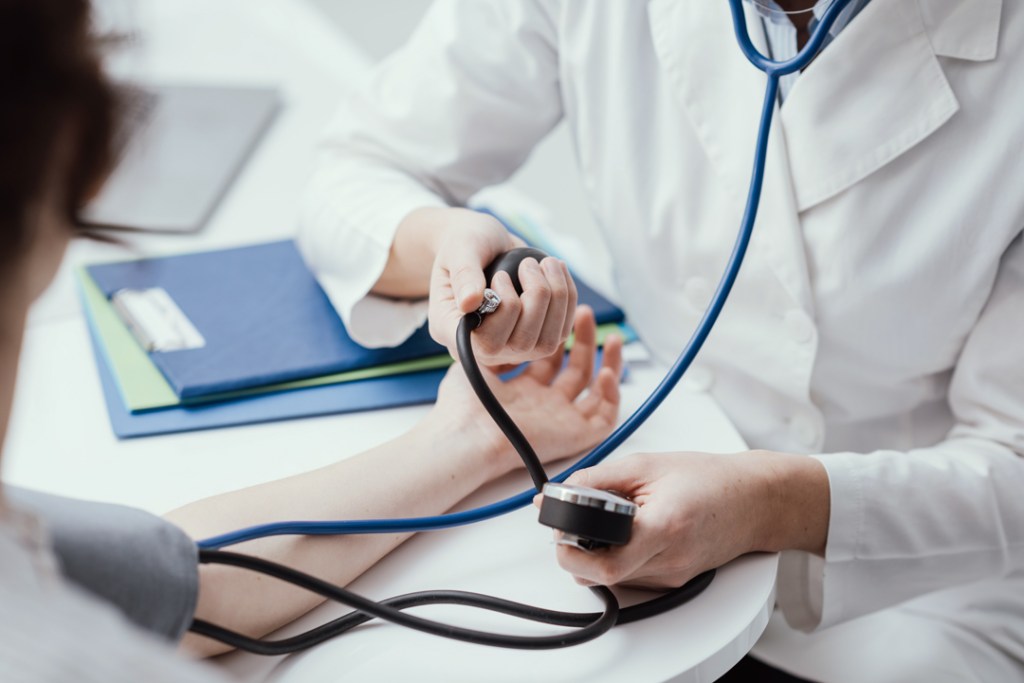
Blood pressure readings consist of two numbers: systolic pressure (the higher number) and diastolic pressure (the lower number). A normal reading is below 120 mmHg for systolic and below 80 mmHg for diastolic pressure. Hypertension is diagnosed when readings consistently exceed 140/90 mmHg.
Why is Hypertension Dangerous?
Hypertension often has no symptoms in its early stages, making regular blood pressure monitoring essential. Some individuals may experience headaches, shortness of breath, or nosebleeds, but these typically occur only when blood pressure reaches dangerous levels. Uncontrolled high blood pressure can lead to severe complications, including:
- Kidney Damage: Hypertension can harm the delicate blood vessels in the kidneys, leading to kidney failure.
- Heart Attack and Stroke: High blood pressure damages arteries, increasing the risk of blockages or ruptures that can cause heart attacks and strokes.
- Heart Failure: Chronic hypertension forces the heart to work harder, leading to heart enlargement and difficulty in pumping blood effectively.
- Aneurysm: Persistent high pressure can weaken blood vessel walls, leading to aneurysms that may result in life-threatening internal bleeding.
Risk Factors for Hypertension
While hypertension can affect anyone, certain factors increase the likelihood of developing the condition, including:
- Chronic Diseases: Conditions such as diabetes, high cholesterol, and sleep apnea can contribute to hypertension.
- Age: The risk of hypertension increases with age as arteries naturally stiffen over time.
- Family History: Genetics play a role, with individuals having a family history of hypertension being more susceptible.
- Diet: Excess sodium intake, low potassium levels, and obesity can contribute to high blood pressure.
- Smoking: Chemicals in cigarettes damage blood vessel walls and narrow arteries, raising blood pressure.
- Excessive Alcohol Consumption: Frequent heavy drinking can significantly elevate blood pressure.
Managing Hypertension
Managing hypertension involves a combination of lifestyle changes and, when necessary, medication.
- Heart-Healthy Diet: Eating a diet rich in fruits, vegetables, whole grains, and low in sodium can help reduce blood pressure.
- Regular Exercise: Moderate-intensity physical activity for at least two hours per week can aid in lowering hypertension.
- Limiting Alcohol and Quitting Smoking: Reducing or eliminating alcohol consumption and quitting smoking can significantly improve cardiovascular health.
- Stress Management: Chronic stress contributes to high blood pressure, making relaxation techniques and mental health support crucial.
- Medication: When lifestyle changes are insufficient, a specialized cardiologist may prescribe antihypertensive medications.
Hypertension is a serious condition affecting millions, but with proper management, it can be effectively controlled. Understanding the risks, making healthy lifestyle choices, and working closely with a specialized cardiologist can help patients protect their cardiovascular health. Due to its often asymptomatic nature, regular preventive cardiology check-ups are essential to prevent hypertension from becoming a medical emergency.
